
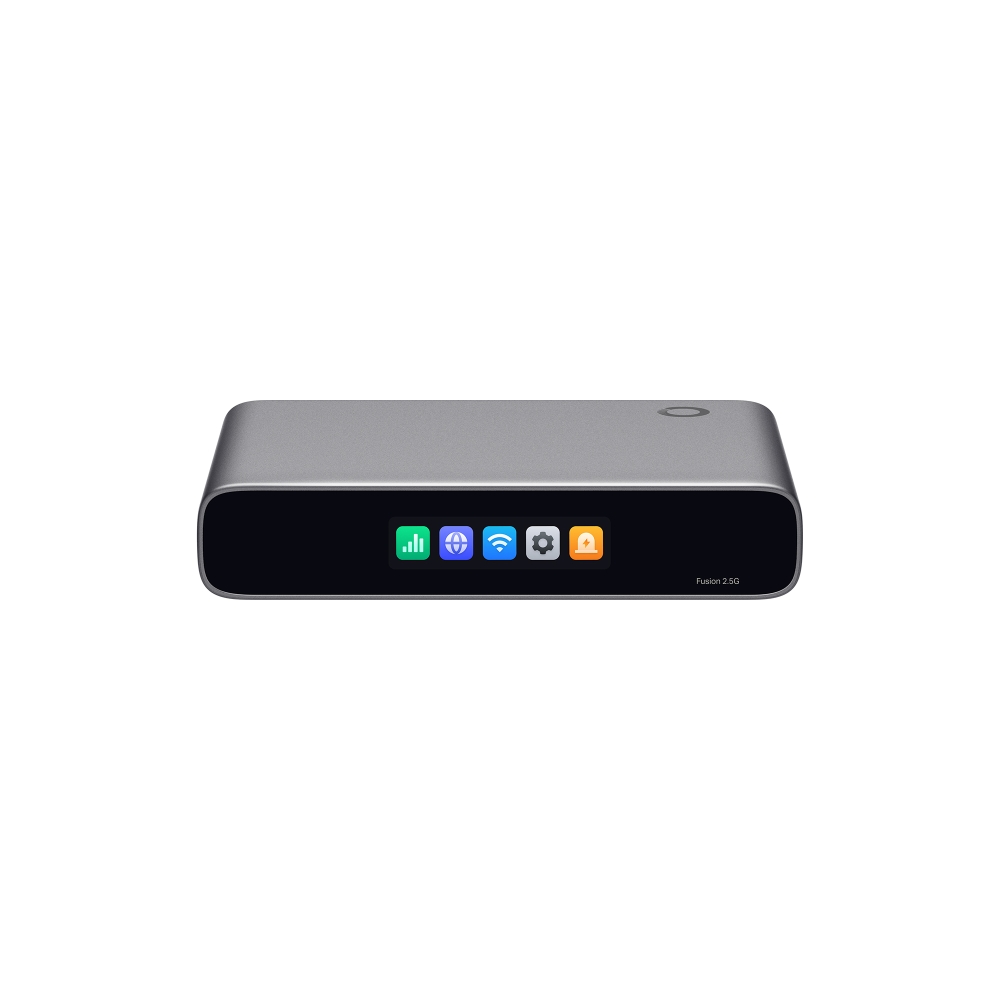
Omada Fusion 2.5G All-in-One Gateway
All-in-one Omada gateway and hardware controller — five 2.5G ports, quad-WAN failover, and a built-in touchscreen, with zero per-device license fees.
KSh 32,500- Ports
- 1x 2.5G WAN, 4x 2.5G WAN/LAN
- CPU
- Quad-core processor
- Memory
- 2GB DDR4
- IDS/IPS throughput
- 2,183 Mbps
- IPsec VPN throughput
- 1,023 Mbps
- Concurrent sessions
- 150,000
- Managed devices
- Up to 30 devices / 300 clients
- VPN tunnels
- 20 IPsec, 80 SSL
- Display
- 2.51" touchscreen
- Mounting
- Desktop, wall, or rack
- Power
- USB-C (5V/3A), 9.76W max
- Cooling
- Fanless
- Secure M-Pesa payment via KCB Buni, a licensed bank payment gateway
- Real order tracking — email updates at every stage, from placed to delivered
- A real Mombasa business — Makadara Road, not a drop-shipper
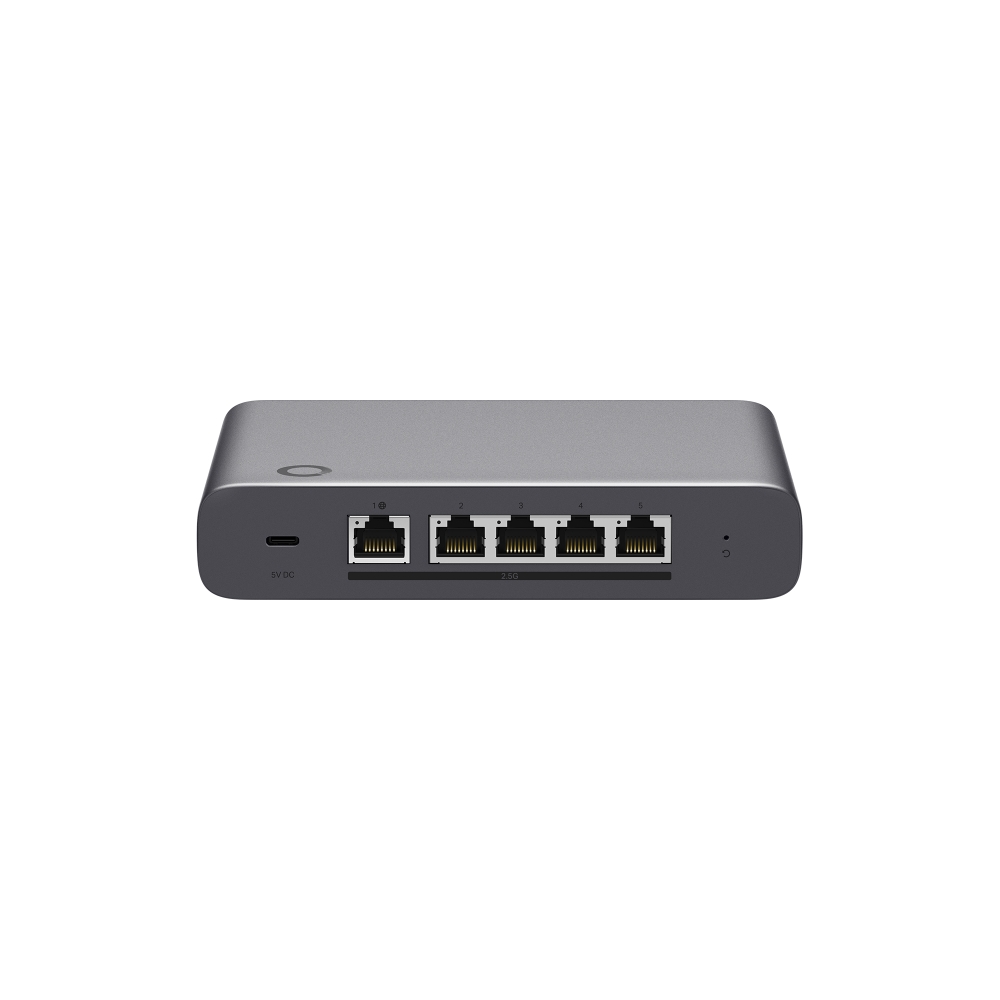
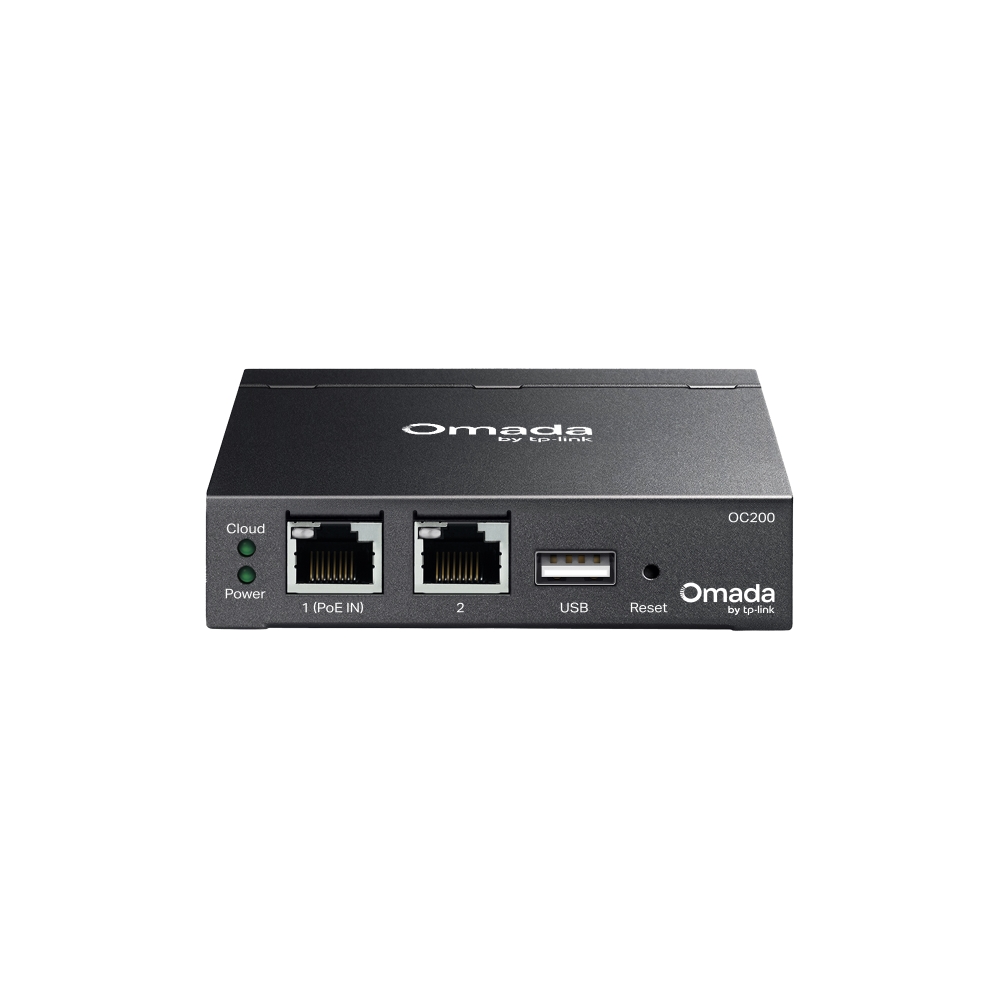
TP-Link's newest Omada release folds a hardware SDN controller and a 2.5G multi-gig gateway into one fanless box, so a site that would normally need an OC200 or OC300 controller plus a separate router gets both for the price of one. Five 2.5G ports (1 dedicated WAN, 4 configurable as WAN or LAN) give it real multi-gig headroom well past what a Gigabit-only gateway can push, and a quad-core CPU with 2GB of DDR4 keeps that headroom usable under load rather than just on a spec sheet. Up to 4-WAN load balancing with automatic failover means a dropped fibre line hands off to a backup connection without manual intervention, and the built-in controller manages up to 30 Omada devices and 300 clients — enough for a small office's full stack of access points, switches, and cameras — with no per-device cloud license fee. IDS/IPS runs at a genuine 2,183 Mbps and IPsec VPN throughput hits 1,023 Mbps, so the security layer doesn't become the bottleneck once real traffic is on it. A 2.51-inch touchscreen on the front gives a fast way to check WAN status or restart a client without opening the controller UI, useful for on-site troubleshooting when nobody wants to pull out a laptop. It also does SD-WAN across up to 20 sites, so an owner with a few branches can manage every location's gateway from one dashboard instead of logging into each router separately.